Understanding Truss Cranes: A Structural Overview
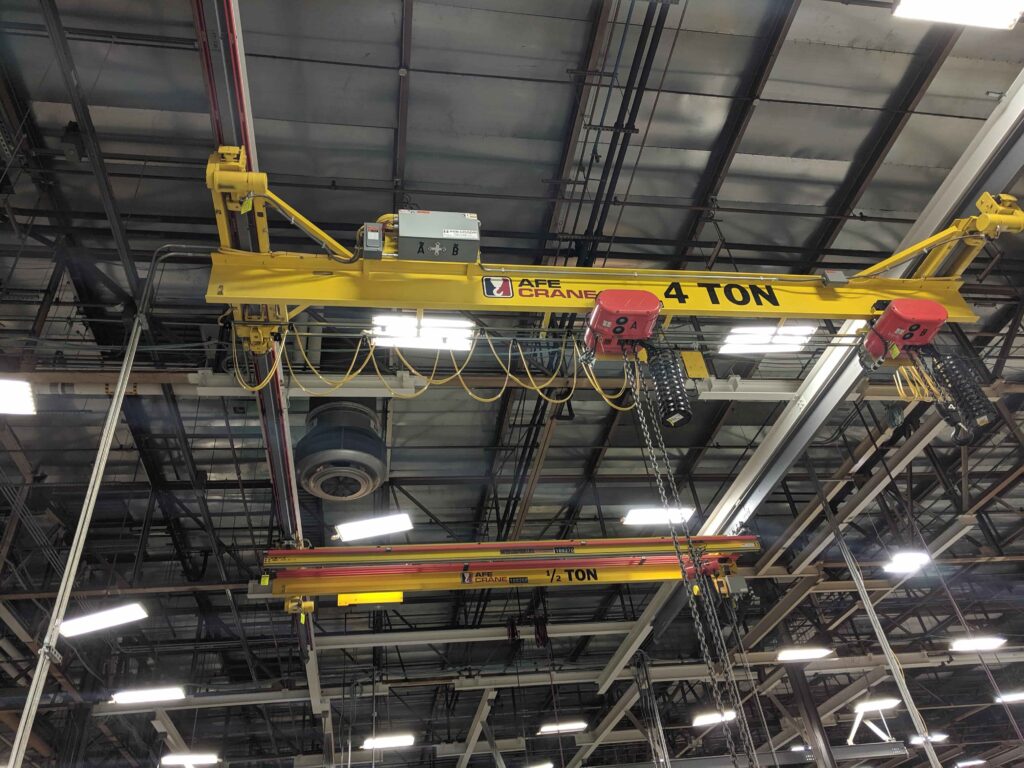
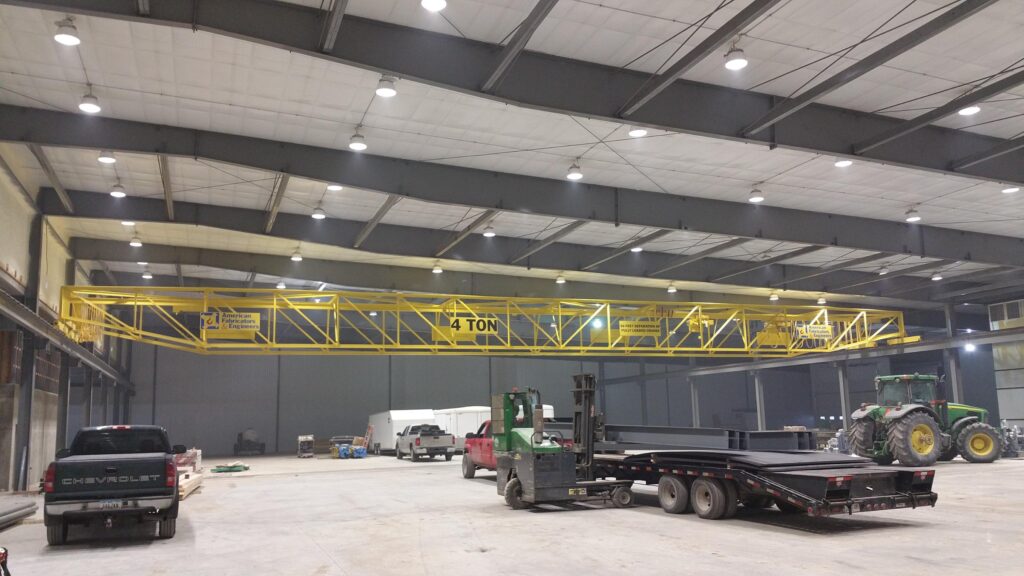
Truss cranes use a triangular framework to create strength and stability. This design spreads loads evenly across the structure. As a result, the crane can handle heavy loads while using less material.
Because of this efficiency, truss cranes can span longer distances without extra supports. This makes them a strong choice for facilities where space and building loads matter. In addition, the design reduces stress on individual components. Over time, this leads to reliable performance, less maintenance, and lower operating costs.
Advantages of Utilizing Truss Cranes
Truss cranes offer several key benefits. First, they provide a strong yet lightweight design. Because they weigh less, they require smaller foundations and support structures.
As a result, initial project costs are often lower. In addition, truss cranes can cover wide areas without reducing load capacity. For this reason, they work well in large manufacturing spaces, warehouses, and construction sites.
Ideal Applications for Truss Cranes
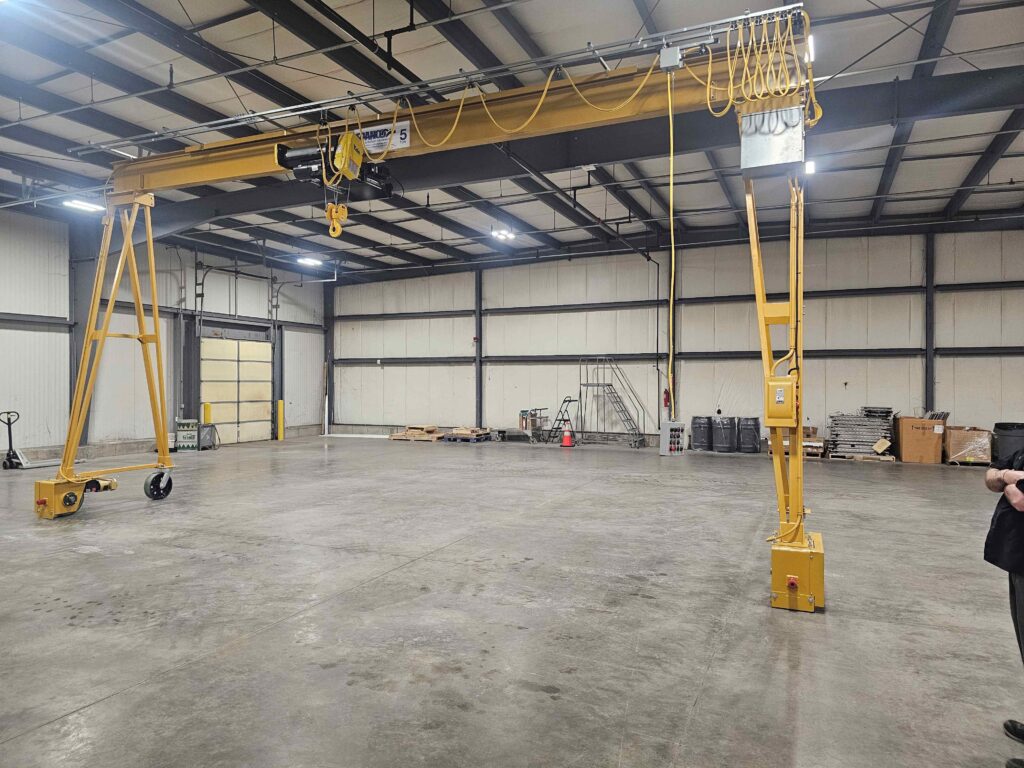
Truss cranes support a wide range of industries. For example, manufacturers use them for smooth and unobstructed material handling. Similarly, warehouses benefit from increased floor space and better workflow.
In addition, industries such as automotive and aerospace rely on truss cranes for efficiency and precision. Construction sites also use them for heavy lifting. Because of their flexibility, they adapt well to many environments.
Key Considerations in Truss Crane Design
Several factors should guide the design or selection of a truss crane. First, consider the required load capacity. Next, evaluate the span length and building layout.
In addition, review environmental conditions such as temperature, dust, or outdoor exposure. Frequency of use also plays an important role in design decisions.
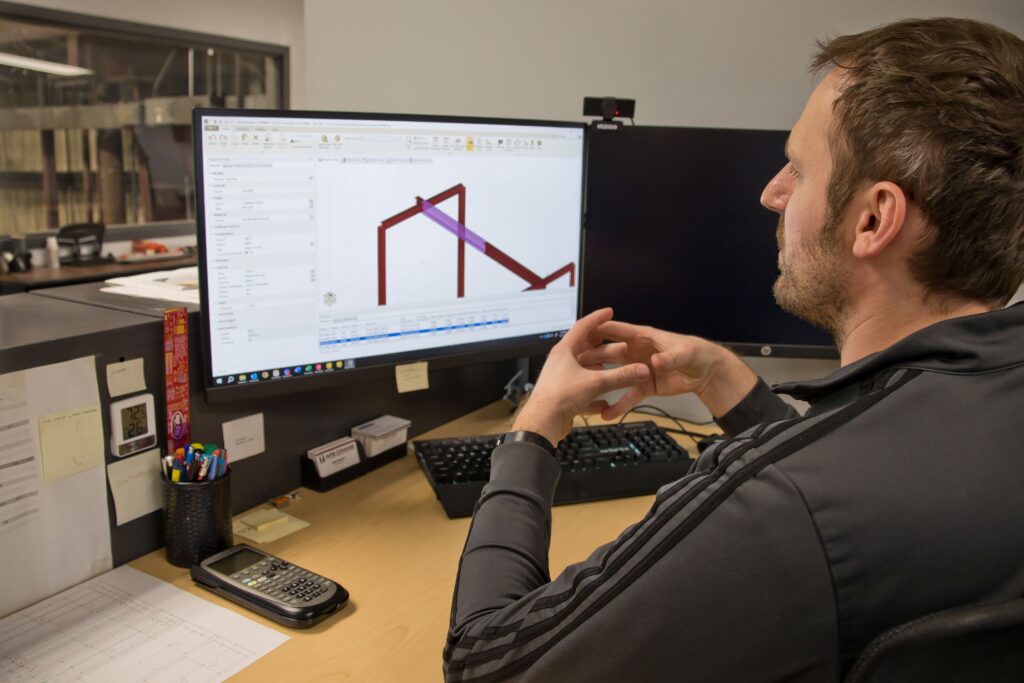
For best results, work with experienced engineers. For example, the team at AFE Crane can help develop a solution that meets both operational needs and safety standards.
Ensuring Safety and Compliance
Safety and compliance remain critical in crane operations. Therefore, truss cranes must meet strict industry standards. AFE Crane designs systems to meet or exceed OSHA and ASME requirements.
In addition, the engineering team performs thorough testing and inspections. Ongoing maintenance support also helps ensure long-term performance. By combining these efforts with operator training, AFE Crane helps customers maintain safe and compliant operations.
Conclusion: Investing in Truss Crane Technology
Investing in a truss crane is a smart long-term decision. Because of their strength and lighter weight, these cranes improve both efficiency and facility use.
In addition, they help increase productivity while supporting safe operations. With the right design and support, truss cranes deliver lasting value. AFE Crane provides customized solutions to help ensure long-term success and operational growth.
About the Author

Emily Carrier is the Applications Engineering Manager at AFE Crane. She holds a Bachelor of Science in Mechanical Engineering from Iowa State University and brings over 15 years of manufacturing experience. Emily works closely with customers to develop practical, engineered overhead lifting solutions that improve safety, efficiency, and long-term equipment performance. Connect with Emily on LinkedIn.