Radio Control Systems for Overhead Cranes: Improving Safety and Efficiency
Radio control systems have become a key tool in overhead material handling. Compared to traditional pendant controls, they offer greater flexibility and easier operation.
As a result, many facilities use radio controls to improve safety and productivity. In addition, operators can move more freely while controlling the crane. This improves visibility and reduces risk during lifting.
Increased Flexibility and Enhanced Safety Features
Modern radio control systems support advanced and customizable setups. For example, operators can control multiple cranes or hoists with a single transmitter.
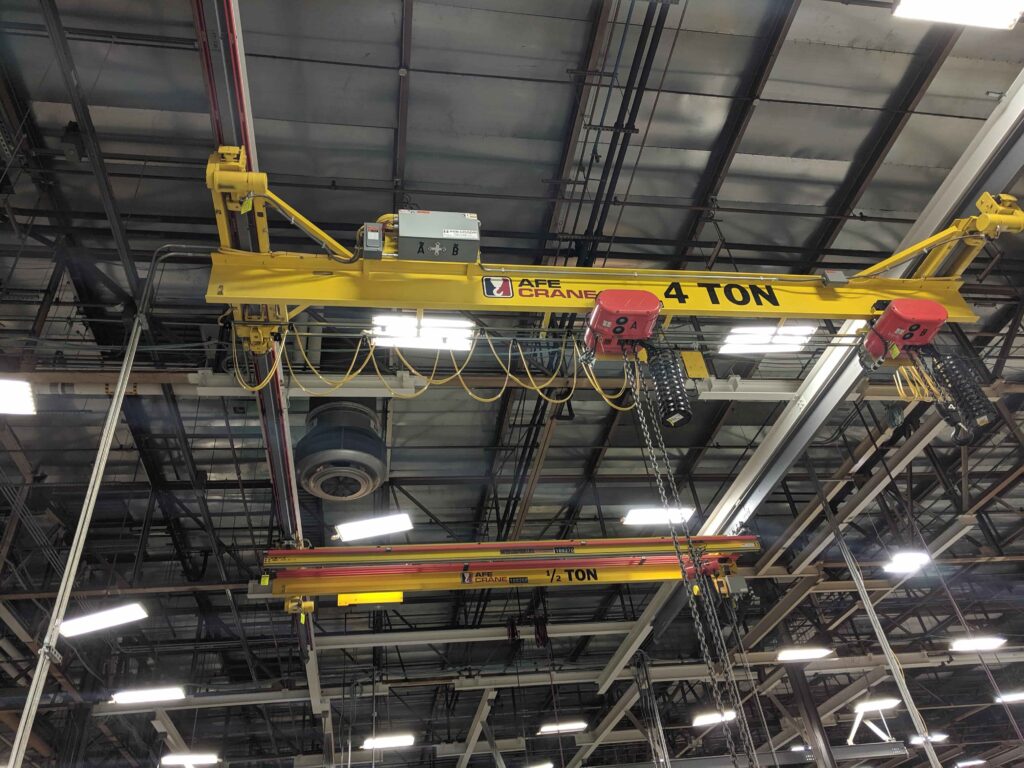
One common feature is the A-B-Both system. With this setup, operators can choose to run one crane, the other, or both at the same time. Because of this, teams can handle complex lifts more efficiently.
In addition, this flexibility helps reduce downtime. It also allows operators to adjust quickly based on the task at hand.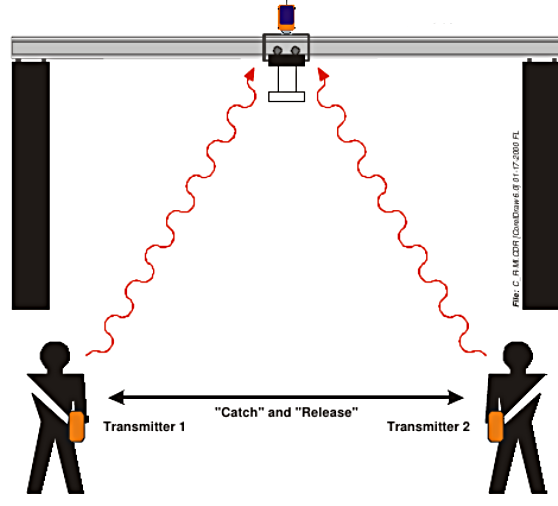
Pitch & Catch Function
Another important feature is the Pitch & Catch function. This feature allows control to transfer smoothly from one transmitter to another.
For example, it works well in facilities with long runways or multiple work zones. As a result, operators can maintain continuous control without interruption.
Most importantly, this feature improves safety during handoffs. It ensures the crane stays under control at all times.
Advanced Transmitter Options for Improved Control
Radio control systems offer several transmitter options to match different applications. Because of this, facilities can choose the best setup for their operation.
Handheld Transmitters
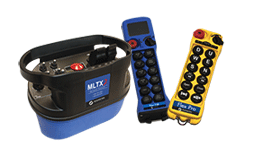
Handheld transmitters provide a simple and effective solution for many applications. For example, models like the Flex VUE and traditional Flex transmitters by Magnetek are widely used.
The Flex VUE includes a graphic display that shows real-time information. This includes diagnostics, battery life, signal strength, and safety alerts. In addition, it can display load data and support safety logic for below-the-hook devices.
As a result, operators gain better awareness and control during lifting.
The traditional Flex transmitter is available in 4, 6, 8, and 12-button layouts. Therefore, it can match a wide range of operational needs.
Bellybox Transmitters for Complex Operations
For more complex applications, bellybox transmitters offer greater control. These units include levers, joysticks, and toggle switches.
Because of this design, operators can perform more precise and coordinated movements. As a result, bellybox transmitters work well for detailed or multi-step lifting tasks.
Backup and Interchangeable Controls
Maintaining uptime is critical in any operation. Therefore, having a backup control option is important.
AFE Crane offers detachable spare pendants as a backup solution. Operators can quickly switch to this control if needed. For example, they can use it during maintenance or if the main system is damaged.
As a result, operations can continue with minimal disruption.
Upgrade Your Controls for Better Performance
Upgrading to a radio control system can significantly improve safety and efficiency. In addition, it gives operators more flexibility and better control.
If you are considering an upgrade, the AFE Crane team can help. We will work with you to design a system that fits your equipment and application.
Make the switch to advanced radio controls and experience safer, more efficient operations.
About the Author

Nick Petsche is an Applications Engineer at AFE Crane. He holds a Bachelor’s Degree in Industrial Technology from Iowa State University and brings over 12 years of experience in manufacturing, product, service, and applications engineering. Nick works with customers to develop practical overhead lifting solutions that support safe, efficient operations and reliable equipment performance. Connect with Nick on LinkedIn.