
Overhead Crane Coverage Options: Telescoping, Interlock and Specialty Crane Systems
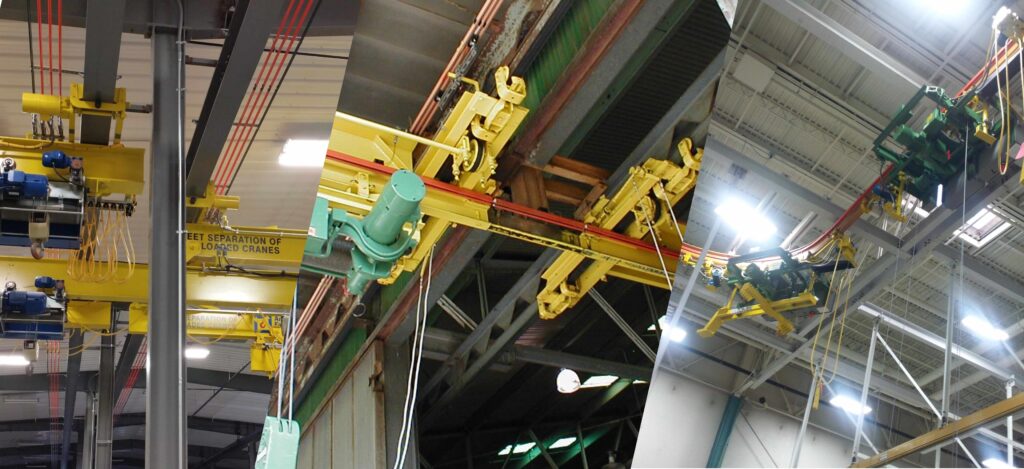
A standard overhead bridge crane provides effective hook coverage within a defined work area. However, manufacturing facilities do not always have simple layouts. Building columns, adjacent bays, process equipment, walls, existing crane systems, and other obstructions can create areas that a conventional bridge crane cannot easily reach. When standard overhead crane coverage is not enough, […]
A/B/Both Radio Controls for Tandem Overhead Crane Operations
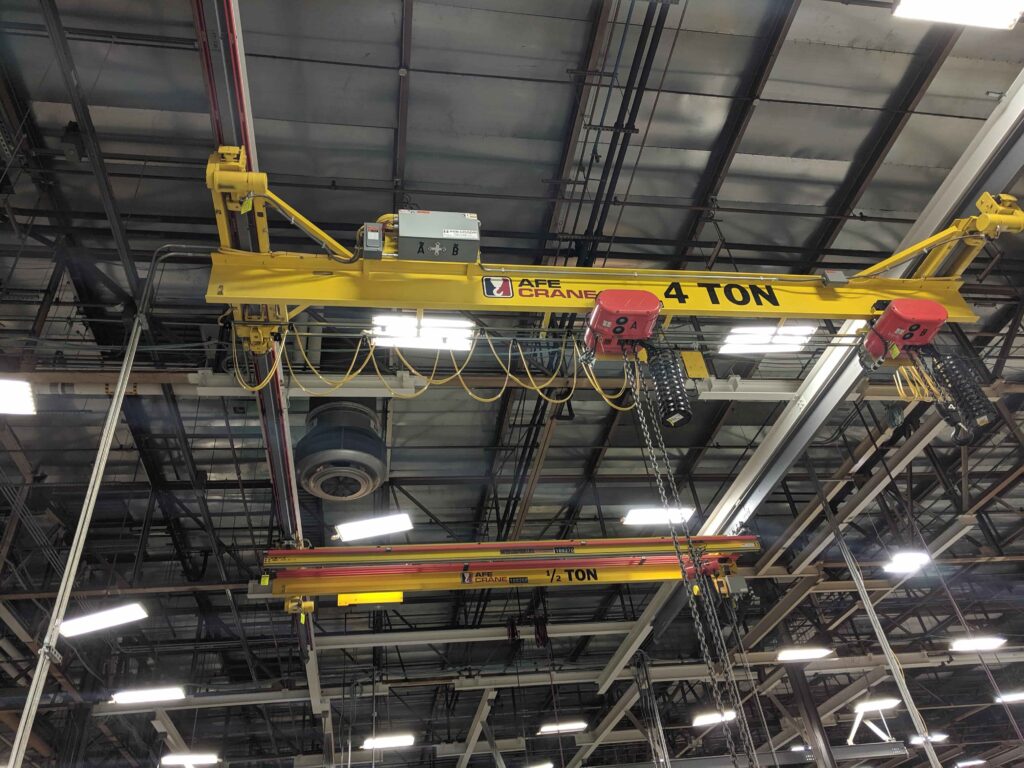
A/B/Both radio controls can simplify tandem lifting when an operator needs to coordinate two hoists or two separate bridge cranes. Instead of relying on separate transmitters and operators, the control system can allow one operator to select each piece of equipment individually or command both together from a single transmitter. For existing crane systems, an […]
Data Center Material Handling Considerations
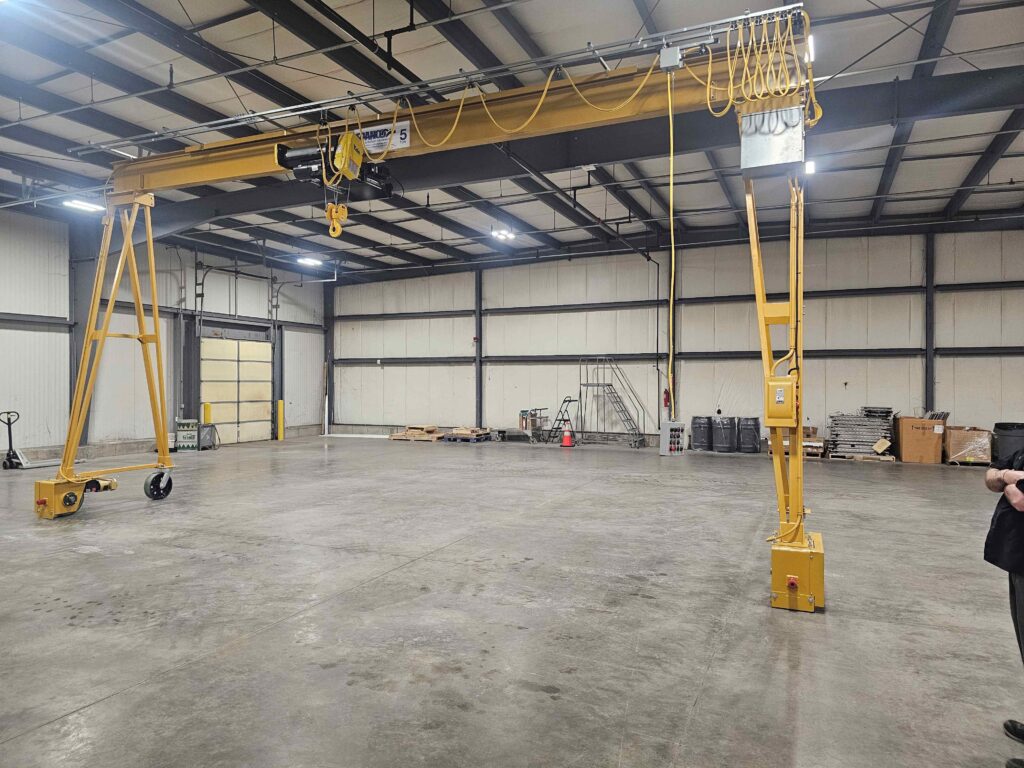
The rapid growth of the data center industry has increased demand for modular fabrication methods that accelerate construction schedules while maintaining quality and consistency. As a result, many manufacturers are evaluating data center fabrication crane solutions that can support changing production requirements and larger module sizes. Rather than constructing critical infrastructure entirely onsite, many organizations […]
AFE Crane Achieves John Deere Partner Supplier Status
What This Recognition Means AFE Crane has been recognized as a Partner-level supplier in the Achieving Excellence program by John Deere. This designation represents the highest level of supplier performance within the program. While this recognition reflects performance within a specific customer relationship, it also signals something broader: a consistent ability to meet expectations in […]
What to Define Before Specifying an Overhead Crane
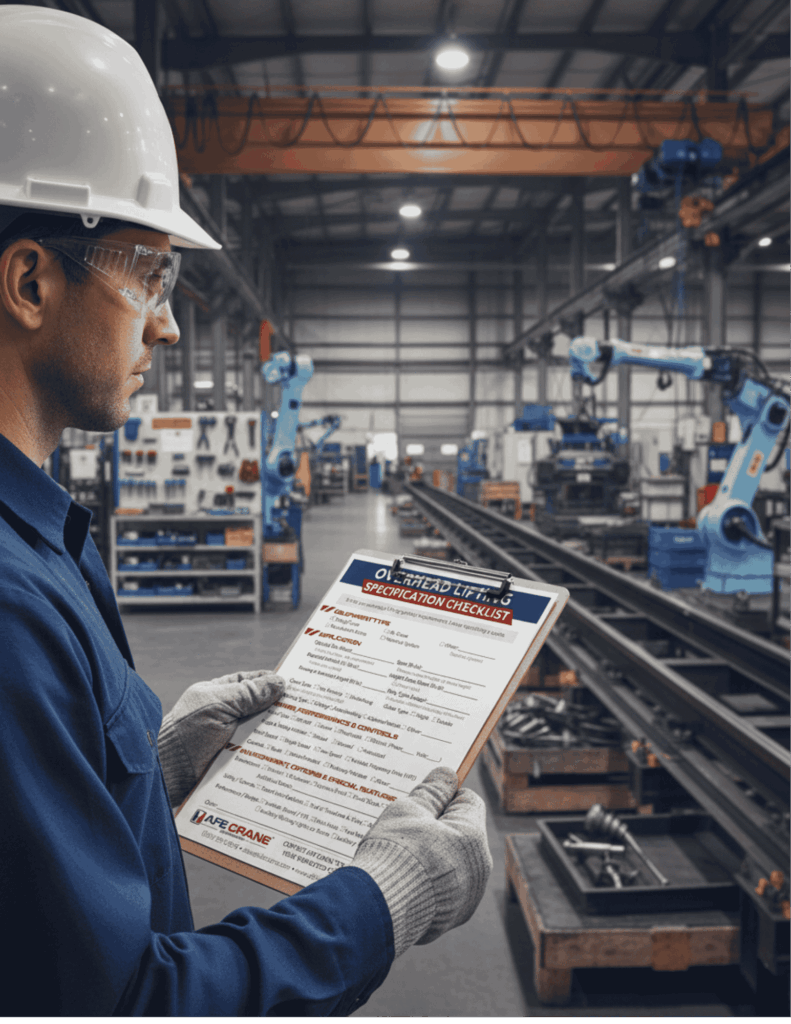
Why Overhead Crane Specifications Often Fall Short Specifying an overhead crane system often seems simple—define the capacity, span, and lift height, then request a quote. However, this approach often leads to missed details and downstream issues. Many projects run into problems because teams do not fully define how the crane will be used or how […]
OSHA 1910.179 Overhead Crane Compliance Guide
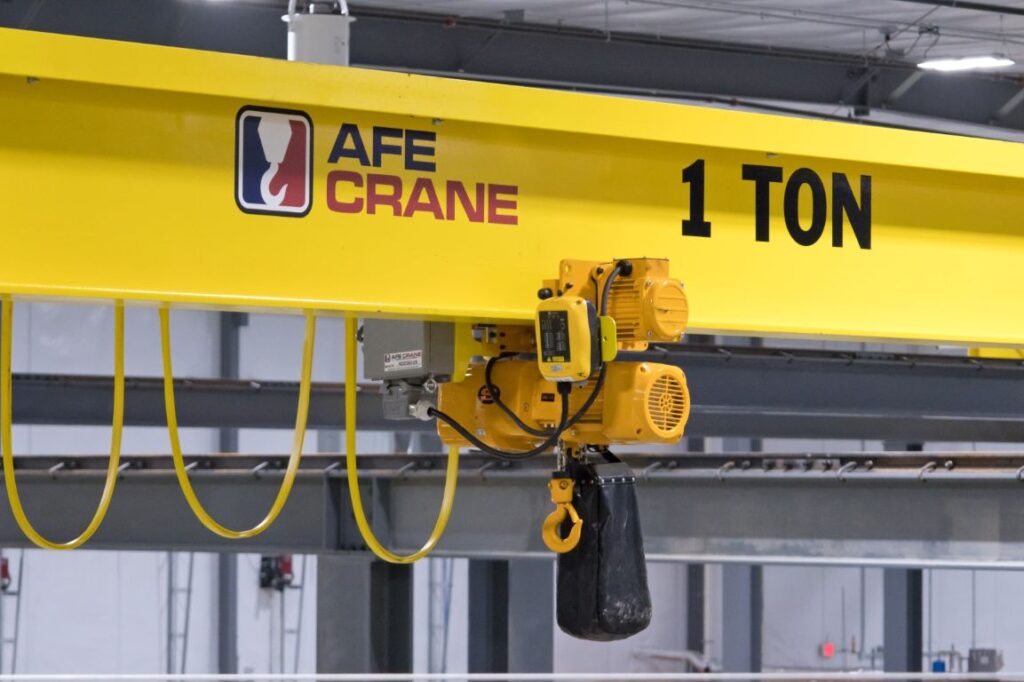
Introduction OSHA 1910.179 is the primary federal regulation governing overhead and gantry cranes in general industry. Manufacturers, plant managers, engineers, and safety professionals rely on this standard to maintain a safe work environment and avoid costly citations or downtime. Specifically, OSHA 1910.179 defines requirements for crane design, rated capacity markings, inspections, testing, maintenance, and safe […]
Visit AFE Crane at the 2026 Iowa Ag Expo – Booth 4174
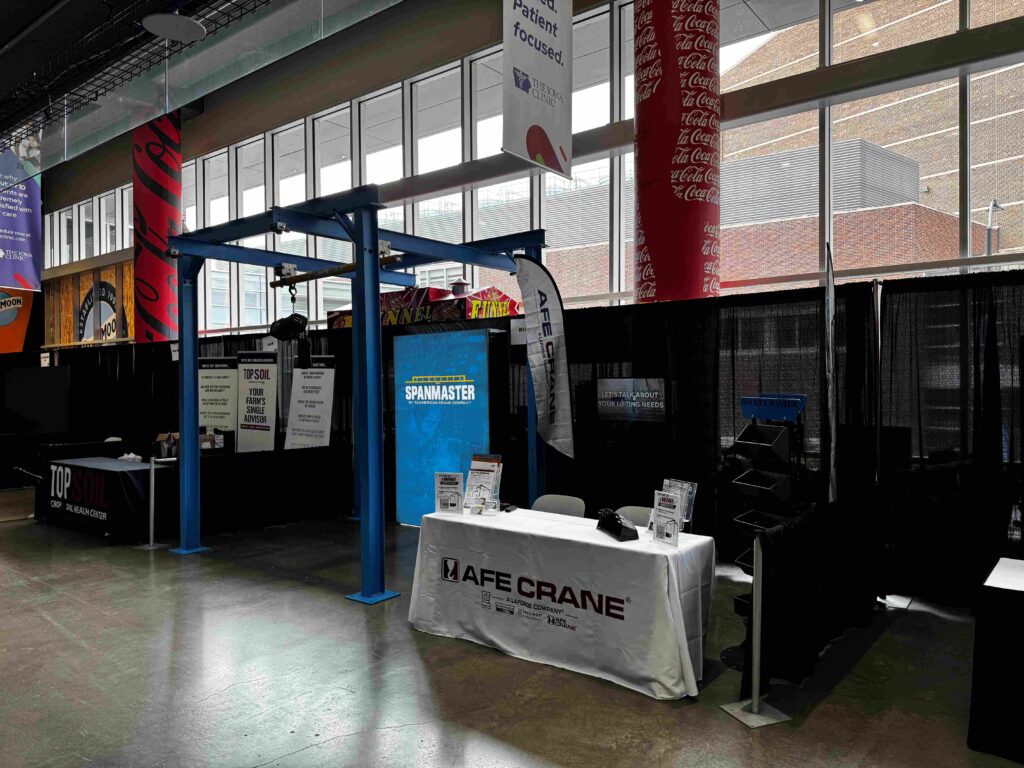
AFE Crane will be exhibiting at the Iowa Ag Expo, where we’ll showcase a flexible lifting solution built for evolving operations. Stop by Booth 4174 to see a freestanding workstation crane with a battery-powered hoist and speak directly with our team about practical lifting strategies for your facility. Featured Lifting Solution on Display At the […]
VFD vs Two-Speed Controls: What’s the Difference?
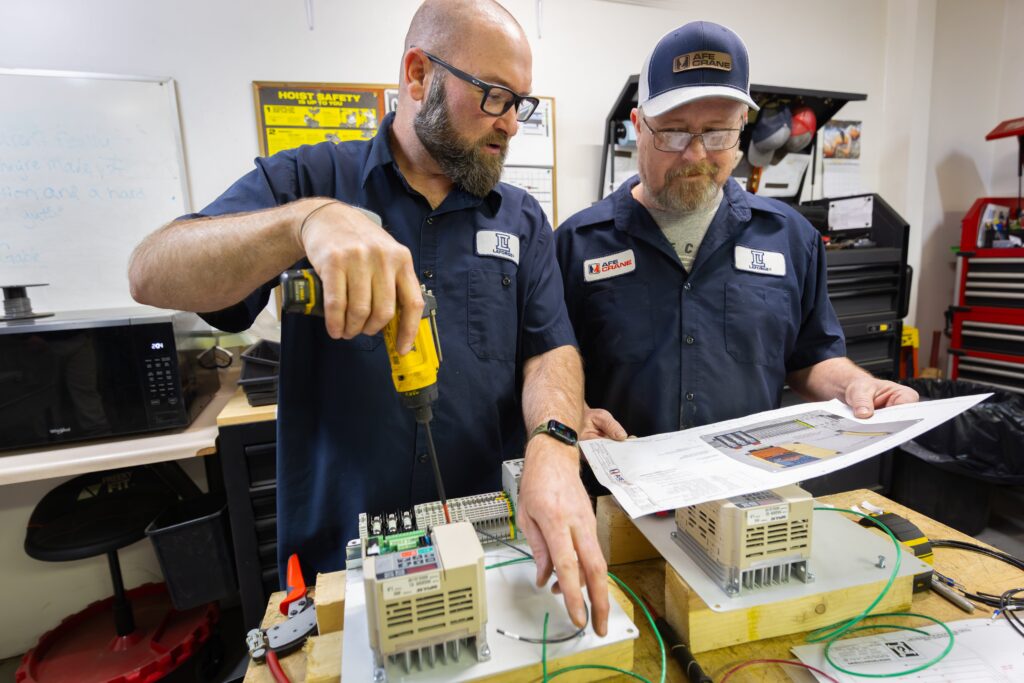
Overview Choosing the right control system is essential for overhead crane performance. In this article, we’ll compare VFD vs Two-Speed Controls—including one-speed and two-speed options. Each type of control affects precision, efficiency, safety, and long-term reliability in different ways. Learn more about our Crane System Controls that support both standard and advanced applications. One- and […]
Enhance Safety and Efficiency with Columbus McKinnon Hoist Training Resources
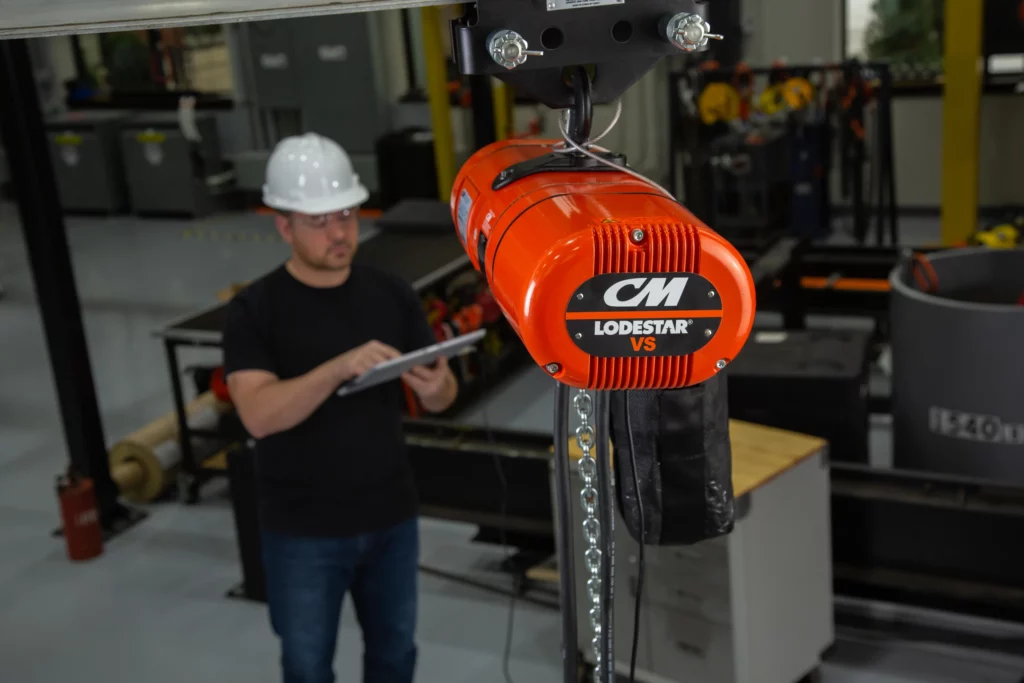
Proper operation and maintenance of hoists are critical for workplace safety, productivity, and equipment longevity. Columbus McKinnon (CM), a leading manufacturer of lifting and rigging equipment, offers comprehensive resources designed to help operators and maintenance personnel keep hoists running safely and efficiently. Operator Training for Lodestar Next Generation Hoists Safe operation starts with thorough training. […]