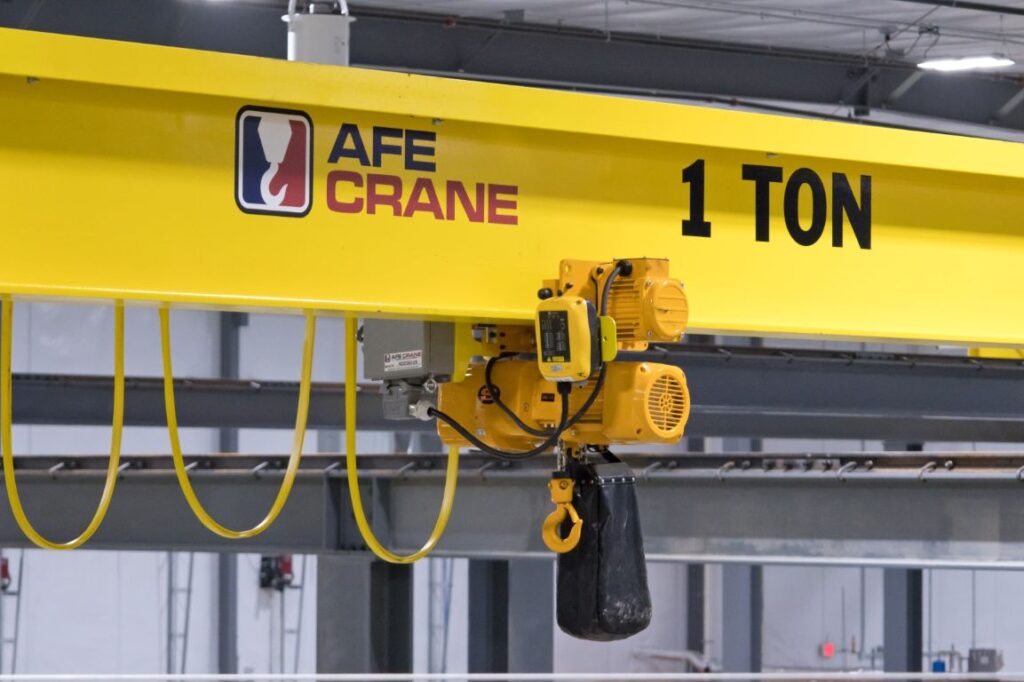
Understanding the Risks of Hoist Side Pull
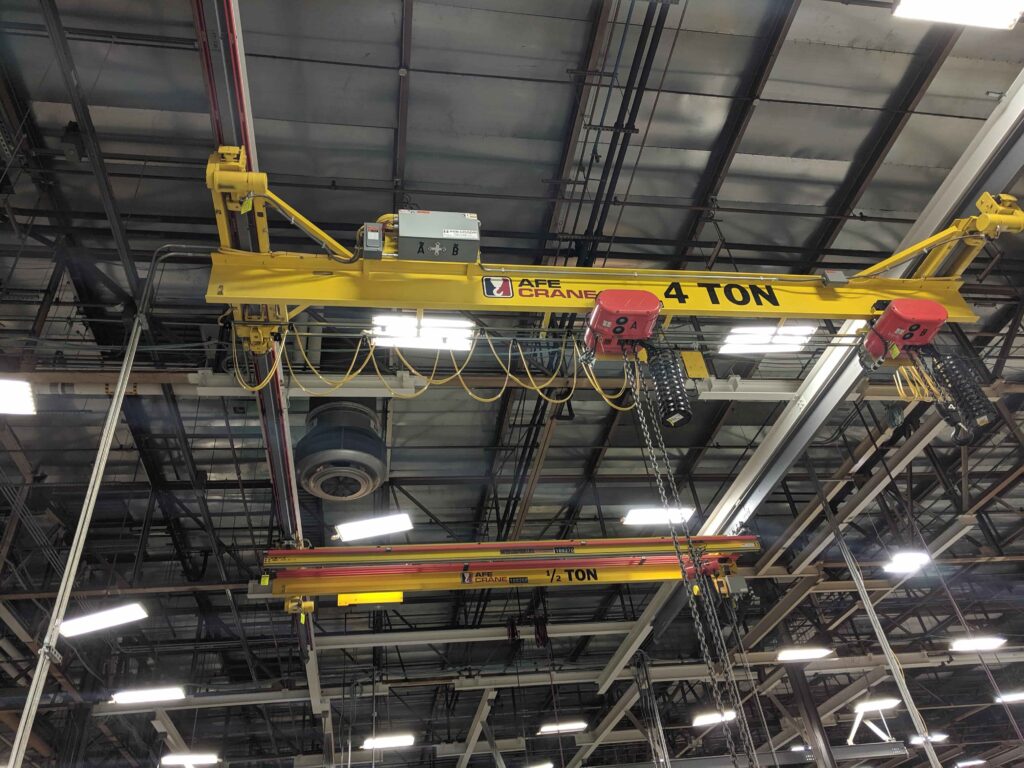
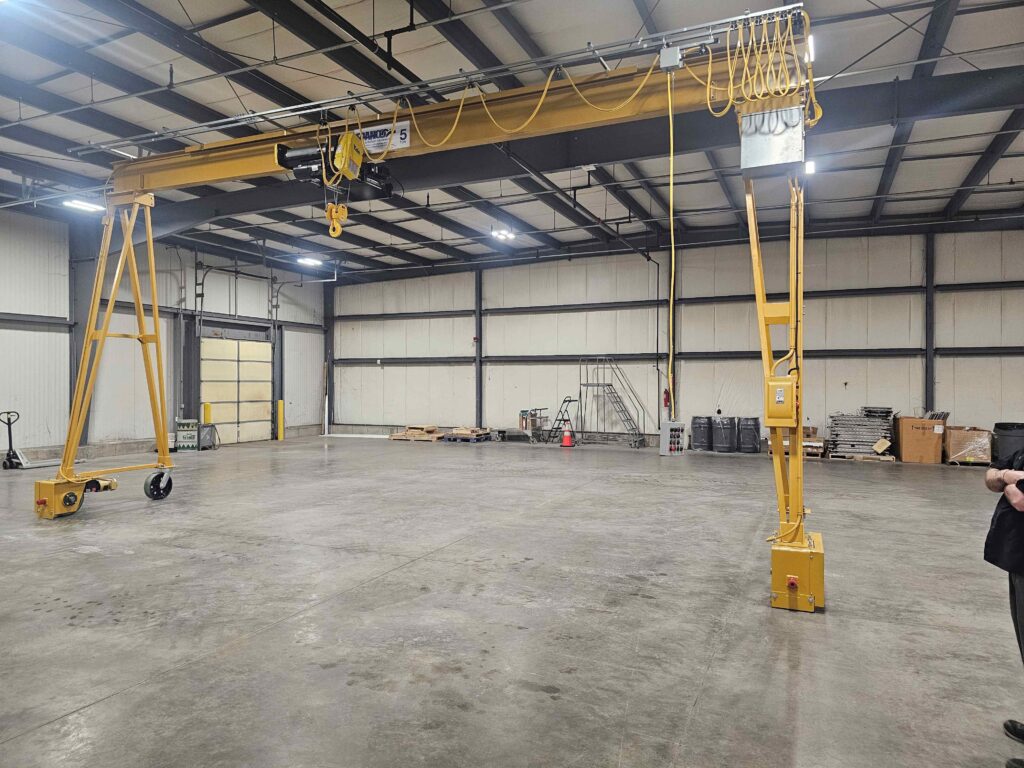
Overhead cranes play a key role in industrial operations. They lift and move heavy loads with precision. However, improper use can create serious safety risks.
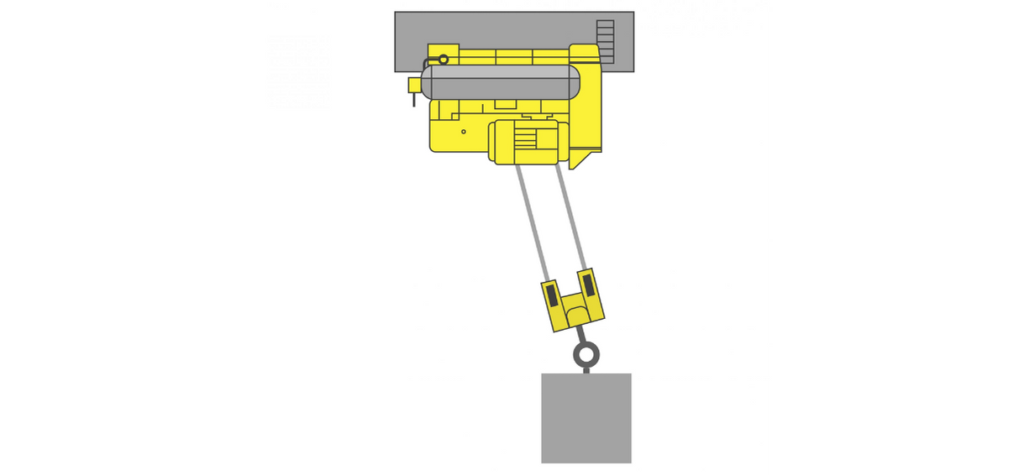
One of the most common issues is side pulling. This occurs when the load is not directly under the hoist. As a result, the lift is no longer vertical, which puts stress on the system.
Why Side Pulling Is Dangerous
Side pulling can cause several problems. First, it can damage the hoist. Hoists are designed for vertical lifting only. When side forces occur, they can lead to wear, misalignment, or even failure.
In addition, side pulling increases the risk of injury. An unstable load may swing or shift unexpectedly. Because of this, workers nearby face a higher risk of accidents.
It can also damage surrounding equipment. For example, a swinging load may strike nearby machinery or structures. As a result, facilities may face costly repairs and downtime.
The Role of Tilt Sensors in Side Pull Detection
Tilt sensors provide an effective way to detect side pulling. These systems monitor the angle of the wire rope during lifting.
For example, Laser-View Technologies offers the DIS Tilt Sensor. This system detects side pull conditions in real time. It then works with the hoist controls to prevent unsafe lifts.
The sensor mounts near the hoist frame on the dead end of the wire rope. It continuously tracks the rope angle. If the system detects a deviation from vertical, it responds immediately. For instance, it can stop the lift or alert the operator.
Benefits of Side Pull Detection
Adding a tilt sensor system provides several important benefits.
First, it helps extend equipment life. By preventing side pulls, it reduces wear on the hoist and wire rope.
Second, it improves workplace safety. It lowers the risk of dropped loads and sudden movements.
In addition, it supports compliance with OSHA and industry standards. This helps facilities maintain safe operating practices.
Finally, it reduces downtime. Preventing accidents means fewer repairs and more consistent production.
Integrating Tilt Sensors with Hoist Controls
Tilt sensor systems can integrate directly with existing hoist controls. Because of this, they are easy to add to many setups.
When the system detects a side pull, it can take several actions. For example, it can trigger an alarm to warn the operator. It can also disable lifting until the issue is corrected.
In addition, the system can send diagnostic data. This allows teams to review performance and plan maintenance.
By using this technology, operators can stop unsafe lifts before they become serious problems.
Conclusion
Side pulling is a serious risk in hoist operation. However, the right technology can help prevent it.
Tilt sensor systems provide real-time detection and quick response. As a result, they improve safety, protect equipment, and reduce downtime.
If you are looking to improve hoist safety, the AFE Crane team can help. Contact us today to learn more about side pull detection solutions and how they can fit your operation.
About the Author

Nate Renner is an Applications Engineer at AFE Crane. He holds a Bachelor’s degree in Mechanical Engineering from Iowa State University and brings over 16 years of experience in manufacturing, design, and applications engineering. With a background in both design and production environments, Nate develops overhead lifting solutions aligned with real-world operational requirements and equipment performance. Connect with Nate on LinkedIn.