Understanding Fall Protection Requirements and Solutions
Keeping workers safe at height is a critical responsibility across many industries. Employers must take steps to reduce risk and meet OSHA requirements. By understanding when protection is required and which systems to use, companies can create a safer work environment.
When Is Fall Protection Required?
OSHA sets specific height thresholds based on the type of work being performed:
- 4 feet for general industry
- 5 feet for shipyards
- 6 feet for construction
- 8 feet for longshoring
In addition, protection is required when working over dangerous equipment. This applies no matter the height. Because of this, even low-elevation tasks can require safety measures.
Types of Fall Protection Systems
There are several ways to reduce the risk of falls. Each method serves a different purpose.
- Hazard Elimination
This is the most effective approach. It removes the need to work at height altogether. For example, workers can use extendable tools to complete tasks from the ground. - Passive Systems
Guardrails and barriers prevent workers from reaching unsafe edges. These systems do not rely on worker action. As a result, they are simple and highly reliable. - Fall Restraint Systems
These systems keep workers from reaching a fall hazard. They typically include a harness and a lanyard connected to an anchor point. Because they limit movement, they help prevent accidents before they occur. - Fall Arrest Systems
These systems stop a fall after it begins. A typical setup includes an anchor point, a full-body harness, and a connecting device such as a lanyard or self-retracting lifeline. Proper training and a rescue plan are required. - Administrative Controls
These methods rely on procedures, such as warning signs or restricted access zones. However, they are the least effective option. They should only be used when other solutions are not practical.
Why Choose Rigid Lifelines Systems?
Selecting the right system is important for both safety and compliance. Rigid Lifelines offers a range of engineered solutions designed for reliability and ease of use.
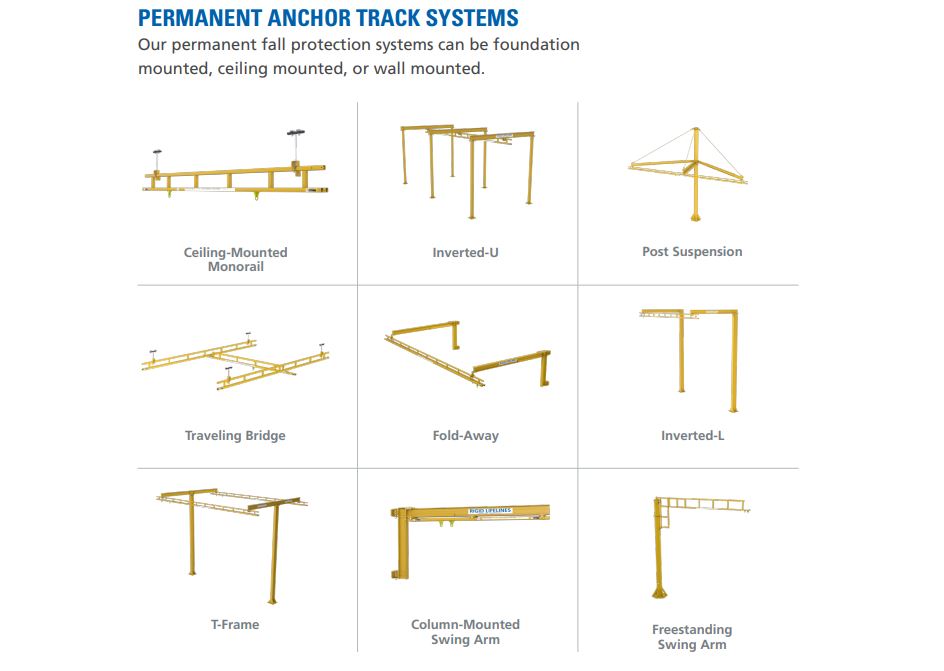
- Rigid Rail Systems
These systems reduce fall distance compared to cable systems. Because of this, they help lower the risk of injury. They work well in manufacturing and maintenance environments. - Overhead Track Systems
These systems provide continuous coverage across a work area. As a result, workers can move freely while staying protected. - Portable Systems
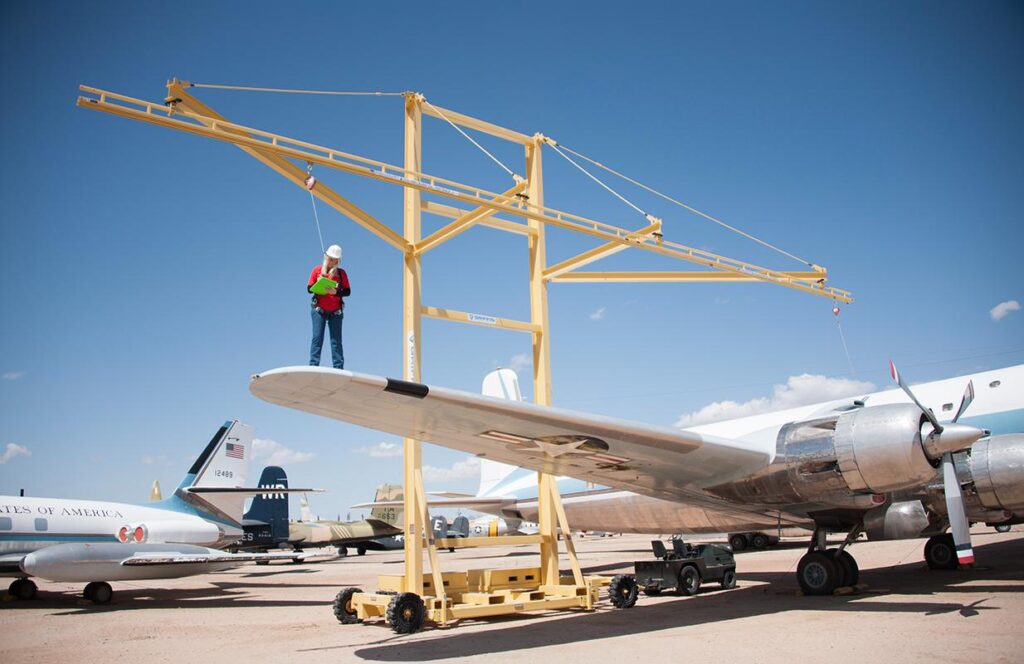
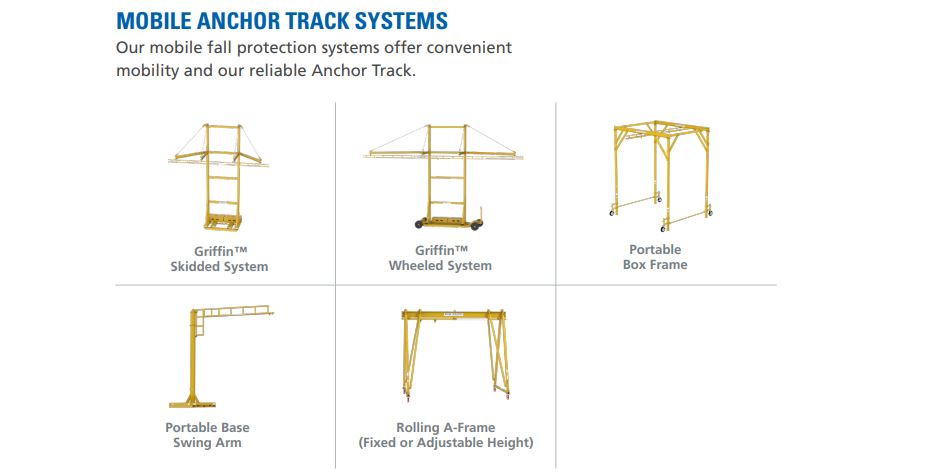
Mobile systems offer flexibility for changing job sites. They are ideal when permanent installations are not possible. - Self-Retracting Lifelines (SRLs)
SRLs allow smooth movement while locking quickly during a fall. This provides an added layer of safety. - Custom Solutions
Every facility is different. Rigid Lifelines works with customers to design systems that match specific applications and environments.
Investing in Worker Safety
Employers must evaluate their work areas and identify potential hazards. Then, they can select the right systems to reduce risk.
By following OSHA guidelines and using effective solutions, companies can lower the chance of injuries and downtime. In addition, they can improve overall productivity.
Choosing a trusted partner like Rigid Lifelines helps ensure long-term safety and compliance. If you want to improve safety in your facility, the AFE Crane team can help you find the right solution.
About the Author

Rich McInnis is an Applications Engineer at AFE Crane. He holds a Bachelor of Science in Engineering Physics from St. Ambrose University and brings over 28 years of experience with AFE Crane. Throughout his career, Rich has worked closely with customers to develop practical overhead lifting solutions that improve safety, efficiency, and long-term equipment reliability. Connect with Rich on LinkedIn.