Why Overhead Crane Specifications Often Fall Short
Specifying an overhead crane system often seems simple—define the capacity, span, and lift height, then request a quote. However, this approach often leads to missed details and downstream issues.
Many projects run into problems because teams do not fully define how the crane will be used or how it will integrate into the facility. This is where using an overhead lifting specifications checklist becomes critical.
Incomplete or unclear specifications create gaps in engineering scope, misaligned expectations, and systems that do not fully support the application. These issues usually appear later—during approval drawings, installation, or startup—when changes cost more and take longer.
Defining the right information upfront reduces risk, improves quote accuracy, and helps ensure the system performs as intended.
Why Specifications Matter More Than the Quote
A quote only reflects the information used to build it. When key details are missing, suppliers must make assumptions that may not match real operating conditions or expectations.
As a result, teams often face:
- Redesign after the initial quote or approval
- Delays caused by missing engineering details
- Scope gaps between suppliers and contractors
- Equipment that does not meet production or ergonomic needs
In many cases, these problems do not come from poor equipment selection. Instead, they come from incomplete definition of the application.
Key Categories in an Overhead Crane Specifications Checklist
Every application is different, but several core categories should be clearly defined before requesting or finalizing a quote.
Application Requirements
Define how the crane will be used. Identify load weights, lift frequency, cycle time expectations, and how the crane supports the production process. For example, clear application details help engineers select the correct duty cycle, speeds, and control methods.
Structural & Building Interface
Define how the crane connects to the building. Review runway support, column loading, clearances, and attachment points. If teams skip this step, they often need structural changes or redesign later in the project.
Hook Coverage & Layout
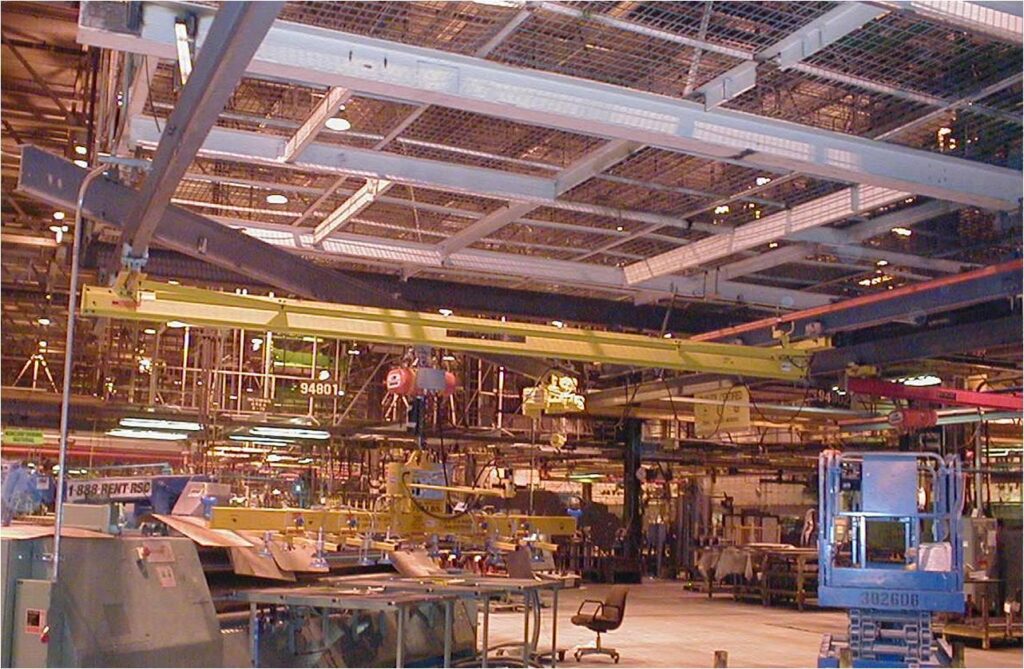
Map where the hook must reach. Account for obstructions, equipment layout, and required coverage areas. If layout details are incomplete, coverage gaps can reduce productivity or force operators to work around limitations.
Controls & Operation
Define how operators will control the system. Choose between pendant or radio control, set speed expectations, and identify any need for precise positioning or system integration. These decisions directly impact safety, ergonomics, and performance.
Environment & Operating Conditions
Identify environmental conditions such as temperature, dust, moisture, or hazardous classifications. These factors affect component selection, reliability, and compliance.
Maintenance & Service Considerations
Plan for maintenance early. Define access points, spare parts strategy, and long-term service needs. Designing with maintenance in mind reduces downtime and supports long-term reliability.
A Practical Way to Reduce Risk
Use a structured overhead crane specifications checklist to define requirements before requesting a quote. A checklist helps teams capture critical information and align on the full system scope.
Using a checklist early in the process helps you:
- Reduce redesign and rework
- Improve quote accuracy and comparability
- Shorten project timelines
- Design the system for real operating conditions
If you are in the early stages of a project, define these details upfront to improve the outcome.
Define It Right the First Time
Overhead crane systems rarely remain “standard” once they are integrated into a real application. The success of the system depends on how well you define it before engineering begins.
When you clearly define application requirements, structural interfaces, layout, controls, environment, and maintenance needs, you reduce risk and improve performance.
Download the Overhead Lifting Specifications Checklist

If you are planning a new system, retrofit, or replacement, define the right specifications upfront to reduce risk, improve quote accuracy, and ensure the system performs as intended.
Use the AFE Crane overhead crane specifications checklist to guide your planning process and avoid common gaps that lead to delays and redesign.
Download the Overhead Lifting Specification Checklist →
Or contact AFE Crane to review your application and ensure your system is defined correctly from the start.
About the Author

Emily Carrier is the Applications Engineering Manager at AFE Crane. She holds a Bachelor of Science in Mechanical Engineering from Iowa State University and brings over 15 years of manufacturing experience. Emily works closely with customers to develop practical, engineered overhead lifting solutions that improve safety, efficiency, and long-term equipment performance. Connect with Emily on LinkedIn.