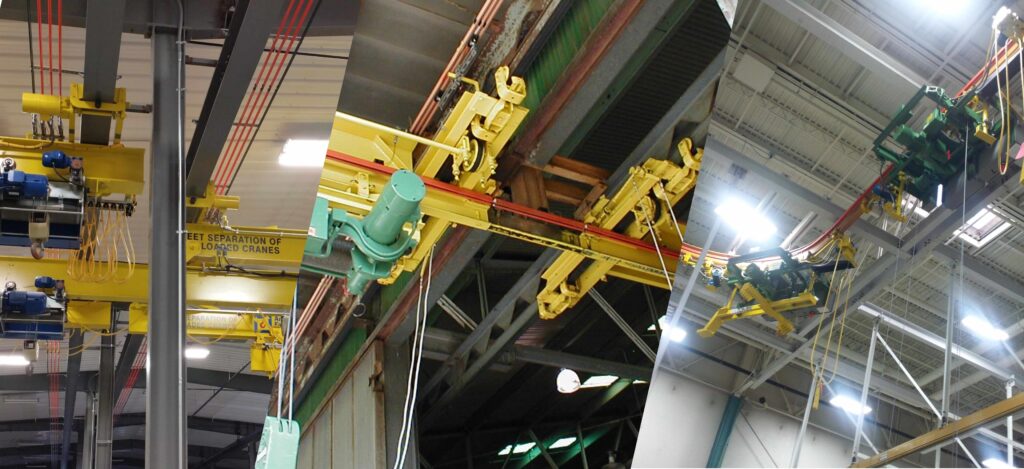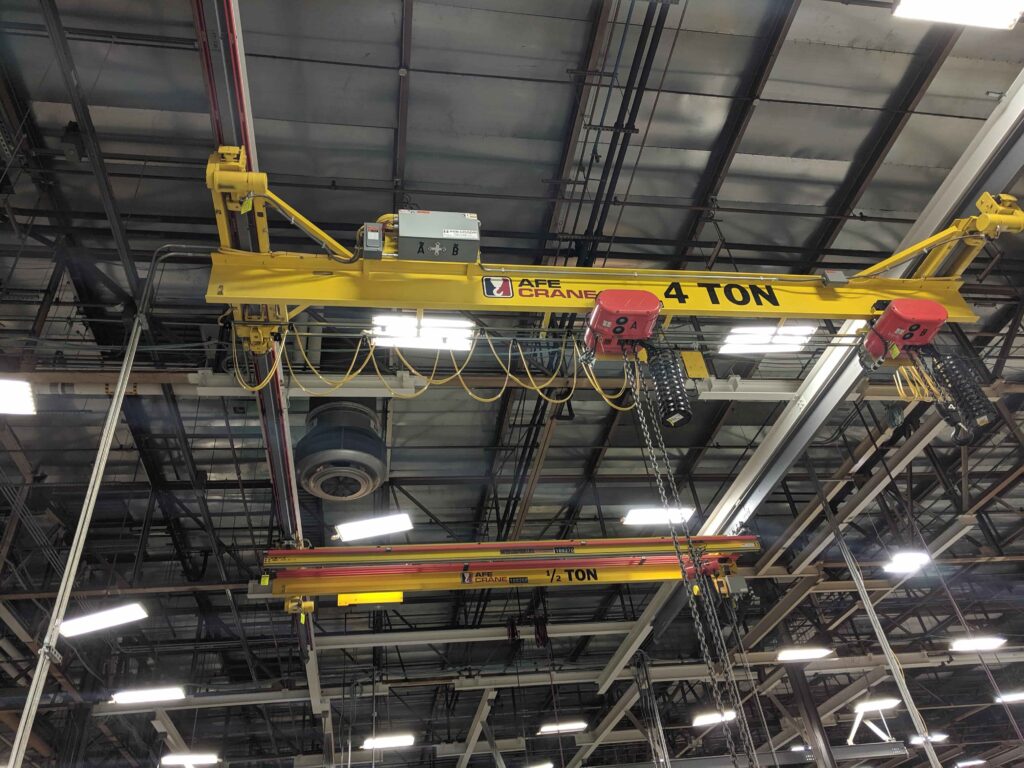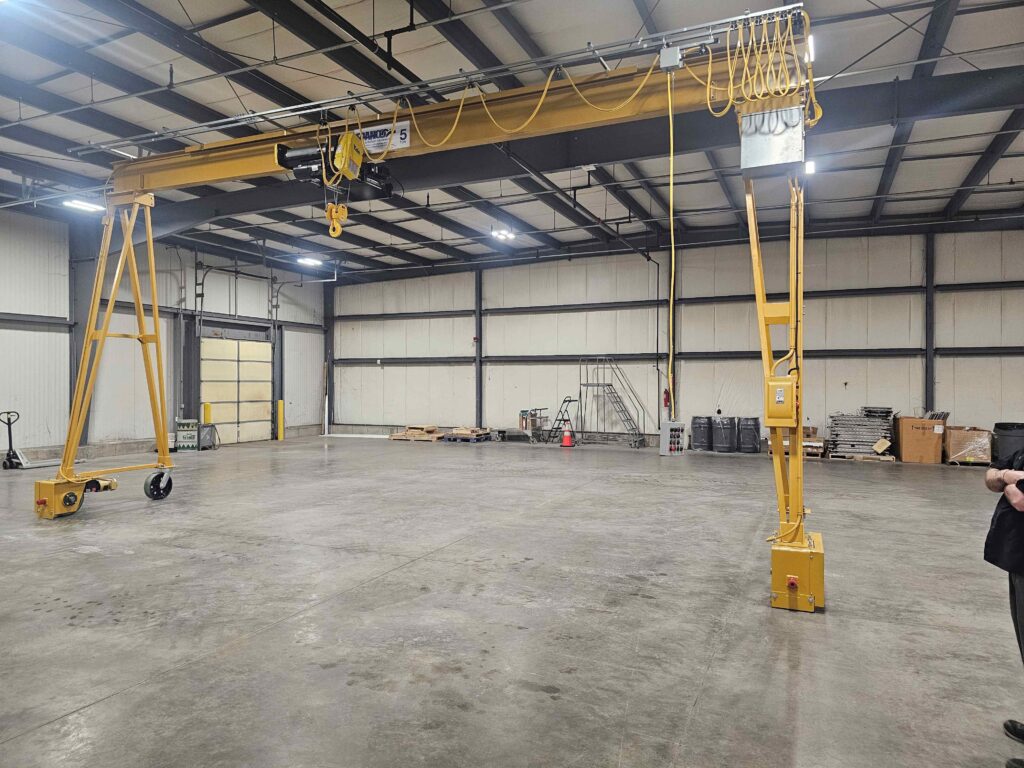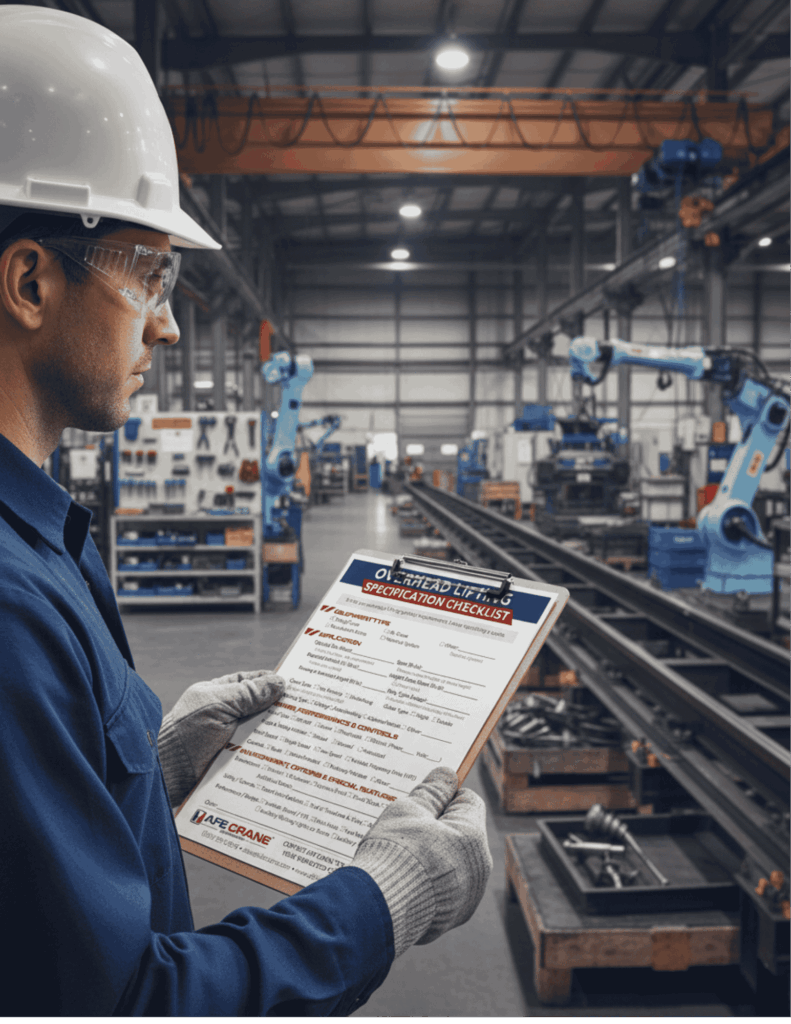
Investing in an overhead crane is a major decision that directly impacts your facility’s efficiency, productivity, and safety. This overhead crane purchasing guide walks you through the most important factors to evaluate before making that investment. The right crane improves workflow and reduces downtime; however, the wrong choice can create costly operational issues for years to come. Therefore, you must carefully assess your application, environment, and long-term goals before selecting a system.
Duty Classification: Choosing the Right Crane for Your Workload
First and foremost, you must determine the proper duty classification for your crane. How often will it operate? How many cycles will it run each day? Because duty classification defines how a crane handles load frequency and intensity, selecting the correct rating protects both your equipment and your budget.
If you underestimate your duty cycle, components may wear prematurely, downtime may increase, and safety risks can grow. Instead, choose a crane that matches your real operating conditions. At AFE Crane, we evaluate each application carefully and recommend a duty classification that supports long-term performance and reliability.

Understanding Your Environment: Temperature, Moisture, and More
Next, evaluate the environment where your crane will operate. Environmental conditions significantly influence material selection, electrical components, and overall system design.
For example, consider whether your crane will face extreme temperatures, high humidity, direct water exposure, airborne dust, corrosive materials, or hazardous chemicals. In hazardous areas, you may need explosion-proof components. In corrosive settings, you may require stainless steel construction or specialized coatings.
Because these factors directly affect safety and lifespan, we assess environmental risks early in the design process. As a result, you receive a crane system built specifically for your operating conditions.

Planning for Future Growth
In addition to evaluating current needs, you should plan for future expansion. Many companies purchase a crane sized only for today’s workload. However, as production increases or product lines change, that crane may no longer meet operational demands.
Future growth may require higher load capacity, increased lifting height, or extended runway length and bridge span. By planning ahead now, you avoid expensive modifications or full system replacements later. Therefore, AFE Crane works closely with customers to design overhead systems that support both present requirements and long-term growth strategies.
Crane Dimensions: Maximizing Your Facility’s Space
Capacity and duty cycle matter, but dimensions are equally critical. During the purchasing process, you must evaluate building height, available clearance, runway length, hook approach, and structural support.
For instance, adequate vertical clearance ensures proper hoist travel and safe installation. Proper runway length aligns crane travel with workflow. Optimized hook approach improves access near walls or equipment. Additionally, structural review confirms whether reinforcement is necessary to support loads safely.
When you analyze these elements together, you create a crane solution that fits your facility and enhances operational flow.
Partnering with Trusted Vendors
A strong overhead crane purchasing guide also emphasizes component quality. AFE Crane partners with industry-leading manufacturers to supply reliable hoists, trolleys, controls, and structural components. For example, you can learn more about crane safety standards through organizations such as OSHA and CMAA.
By working with proven vendors and adhering to established industry standards, we help ensure that your crane system delivers consistent performance and compliance.
A detailed list of our vendors can be found here.
Let’s Build the Right Crane Solution for You
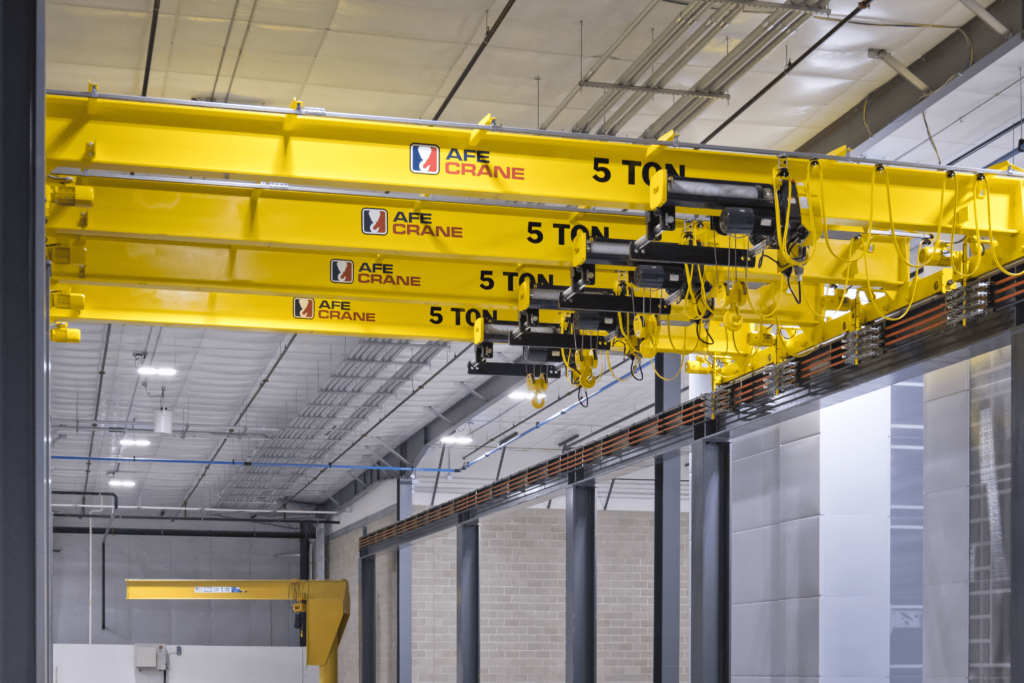
Ultimately, this overhead crane purchasing guide provides a structured approach for making an informed decision. At AFE Crane, we take a consultative approach and guide customers through each step of the evaluation process. Whether you need a single girder bridge crane for lighter applications or a fully custom-engineered system for demanding operations, our team delivers solutions designed for performance, longevity, and safety.
Contact us today to discuss your project and find the right crane solution for your facility!
About the Author

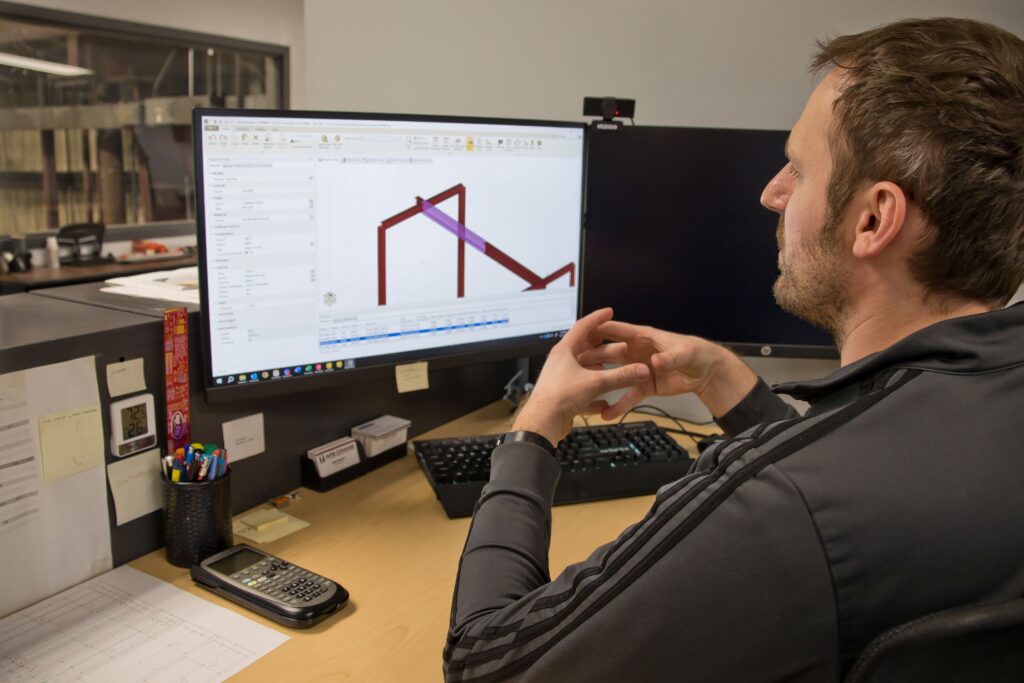
Nick Petsche is an Applications Engineer at AFE Crane. He holds a Bachelor’s Degree in Industrial Technology from Iowa State University and brings over 12 years of experience in manufacturing, product, service, and applications engineering. Nick works with customers to develop practical overhead lifting solutions that support safe, efficient operations and reliable equipment performance. Connect with Nick on LinkedIn.